A Clean Heart at the Table
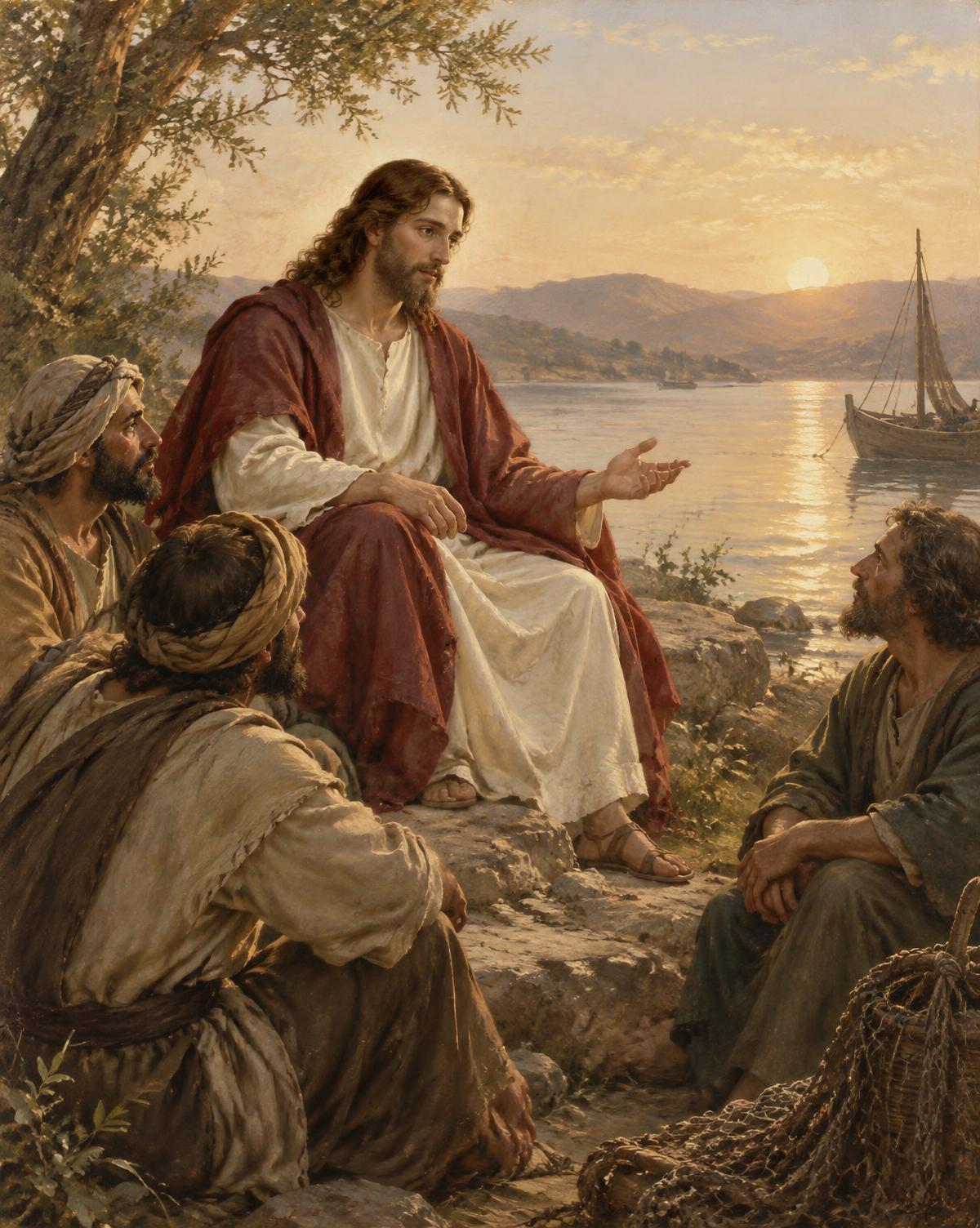
At the Pharisee’s table, Jesus turns attention from outward cleanliness to the condition of the heart. His challenge invites us to let faith become visible in generosity, honesty, and love.
First Reading: Galatians 5:1-6
Psalm: Psalm 119:41, 43, 44, 45, 47, 48
Gospel: Luke 11:37-41
Reflection: A Clean Heart at the Table
At a meal in a Pharisee’s home, Jesus is met with surprise because he does not first perform a customary washing. His response goes deeper than the moment: a person can carefully attend to what is visible while neglecting what is taking shape within. The Gospel is not a reason to dismiss meaningful practices or outward acts of devotion. It is a call to ask what those practices are forming in us—and whether our hearts are becoming more open to God and neighbor.
Jesus speaks plainly about concern for the outside while the inside is filled with greed and wickedness. His words may unsettle us, because we too can become skilled at managing appearances. We may seem patient while nursing resentment, speak about generosity while keeping a tight hold on what we have, or maintain familiar religious routines without allowing them to change how we treat people. The danger is not that outward goodness is worthless; it is that appearance can become a substitute for conversion.
The detail about giving alms makes the challenge concrete. Jesus directs the Pharisee toward generosity, toward letting what is within become a gift rather than something guarded for oneself. For us, that may begin with money or possessions, but it also includes attention, time, patience, and forgiveness. We can ask: Who is waiting for me to notice them? What resource am I reluctant to share? Is there a person whose needs I have kept at a comfortable distance? Such questions bring the Gospel from the dining room into the ordinary decisions of the day.
Paul’s words to the Galatians help us understand this freedom. He warns against relying on outward markers as though they could secure our relationship with God. What matters is faith expressing itself through love. Christian freedom, then, is not permission to live for ourselves. It is release from the anxious effort to prove our worth, so that we can serve without making a performance of it. Love becomes the evidence—not a polished image, but a life increasingly turned toward the good of another.
That kind of change is usually quiet. It may mean telling the truth when a convenient half-truth would protect our reputation. It may mean apologizing without attaching an excuse, or listening carefully when we would rather interrupt. It may mean choosing a hidden act of generosity that no one will praise. These choices do not make us flawless. They help expose what needs healing and give grace room to work in the places we might otherwise conceal.
The psalm’s appeal for God’s steadfast help reminds us that this work is not accomplished by willpower alone. We need God’s word to steady us and guide our steps. A brief examination of conscience can help: Where did I seek approval more than integrity today? Where did I receive another person’s need with compassion? What can I offer tomorrow? We can bring the answers honestly to God, without despair and without pretending. The Lord who sees the heart also calls it toward renewal.
Today, let outward devotion and inward life meet. Pray before a meal, attend to a familiar duty, or take part in the life of the Church—but let the moment lead toward mercy. Ask God to cleanse not merely what others can see, but the motives from which your choices grow. Then take one specific step of generosity. A heart made more free by faith does not need to announce its goodness; it learns, little by little, to give itself in love.
At the Pharisee’s table, Jesus turns attention from outward cleanliness to the condition of the heart. His challenge invites us to let faith become visible in generosity, honesty, and love.
Prayer for October 13, 2026
Source for the liturgical references: United States Conference of Catholic Bishops.