Justice and the Love of God
Jesus asks for more than careful appearances: he calls us to lives shaped by justice, love, and mercy. Today’s readings invite us to let the Spirit form those qualities in us, especially in the way we treat others.
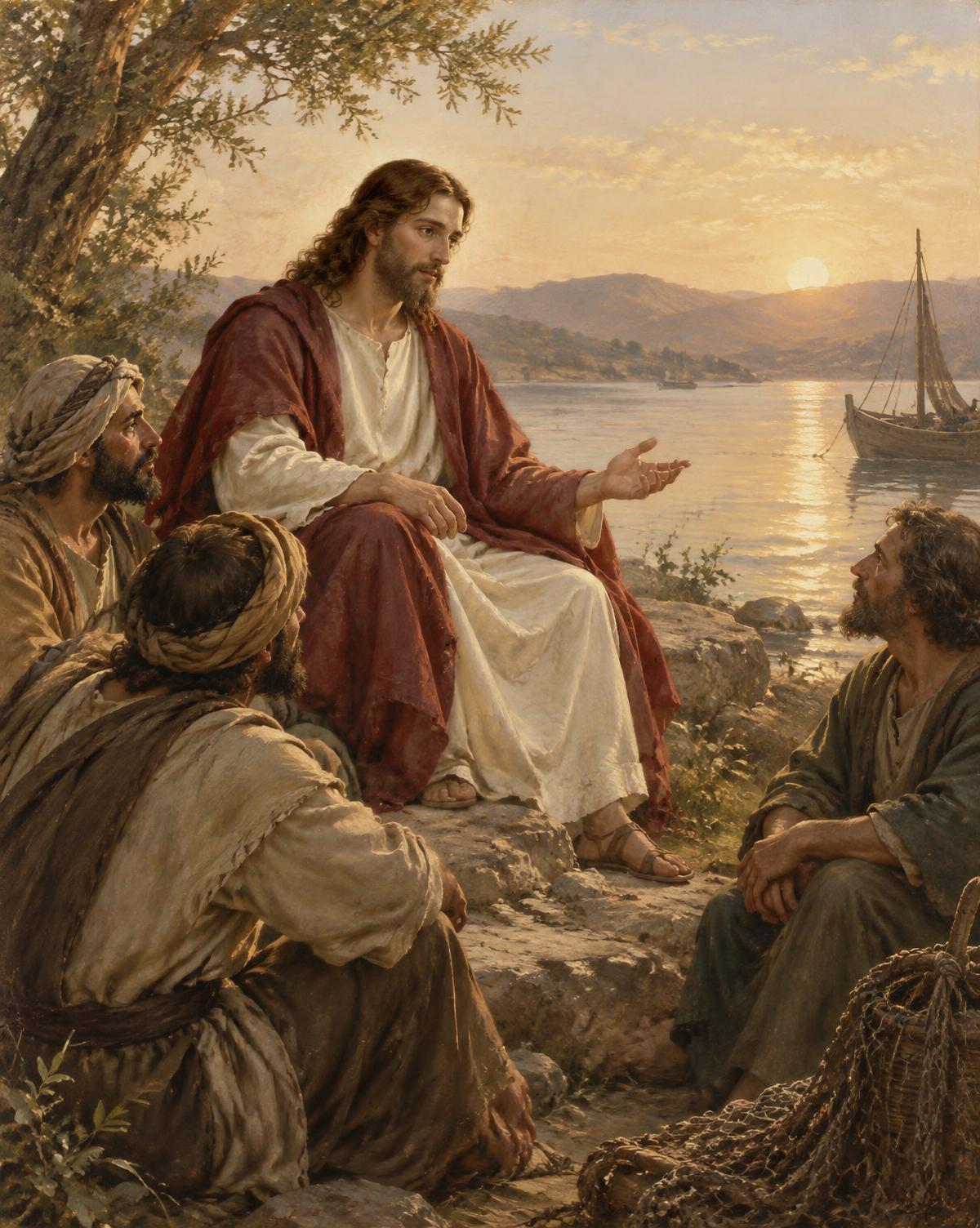
First Reading: Galatians 5:18-25
Psalm: Psalm 1:1-2, 3, 4, 6
Gospel: Luke 11:42-46
Reflection: Justice and the Love of God
In today’s Gospel, Jesus speaks plainly to people who are attentive to religious details yet neglect justice and the love of God. His words are uncomfortable because they expose a temptation that can reach any of us: to focus on what is visible and manageable while avoiding the deeper work of conversion. We may keep a familiar routine, say the right things, or take pride in being dependable, yet remain impatient with someone who needs our time or harsh toward a person whose mistakes frustrate us. Jesus does not dismiss faithful practice. He asks that it lead us toward love rather than become a substitute for it.
The image of burdens in the Gospel brings this challenge close to daily life. We can make another person’s load heavier with needless criticism, a demand for perfection, or advice offered without listening. Sometimes we do this while believing we are simply being honest or orderly. Jesus invites us to look at the effect our words and expectations have on those around us. Are we helping someone take a next step, or making it harder for them to begin? Do we offer correction with patience and humility, or use it to protect our own sense of being right?
The reading from Galatians offers a way forward. Paul contrasts the pull of self-serving desires with the life shaped by the Spirit, and names qualities such as love, patience, kindness, and self-control. These are not simply good manners to summon when convenient. They grow as we make room for God in ordinary choices: pausing before a sharp reply, keeping a promise when it costs us, admitting when we have been unfair, or giving someone a chance to speak before we judge. Such choices may seem small, but they train the heart to love more faithfully.
Psalm 1 gives us another helpful image: a life rooted like a tree beside water. A tree does not bear fruit by straining to look fruitful; it grows through steady nourishment. We, too, need regular ways of returning to God—prayer, Scripture, the sacraments, and the help of a faithful community. These practices are not badges of worth. They are places where the Spirit can steady us, soften what has become hard, and strengthen our desire to do what is good. The fruit becomes visible in how we treat people, especially when no one is praising us.
The memorial of Saint Callistus I adds a striking reminder of mercy. The supplied account describes him as a slave who became Pope, someone who emphasized forgiveness for sinners, and a martyr in Rome. His example points us toward a Church and a personal life in which failure is met with a path back, not with despair. Mercy does not pretend that harm is harmless; it makes room for repentance, forgiveness, and renewed responsibility. We need that mercy ourselves, and we are called to extend it to others.
Today, choose one place where you can make another person’s burden lighter. It might mean listening without interrupting, apologizing without defending yourself, or responding to a mistake with both honesty and kindness. Then ask God to reveal where your outward habits have grown apart from love. Jesus’ challenge is not an invitation to discouragement; it is a call to a more whole-hearted faith. Let the Spirit take root in you, so that your worship, your words, and your treatment of others increasingly belong to the same life of love.
Jesus asks for more than careful appearances: he calls us to lives shaped by justice, love, and mercy. Today’s readings invite us to let the Spirit form those qualities in us, especially in the way we treat others.
Prayer for October 14, 2026
Source for the liturgical references: United States Conference of Catholic Bishops.