Come to the Wedding Feast
In the parable of the wedding banquet, God’s invitation is generous and urgent. The Gospel asks whether we are ready to welcome that invitation with our whole lives.
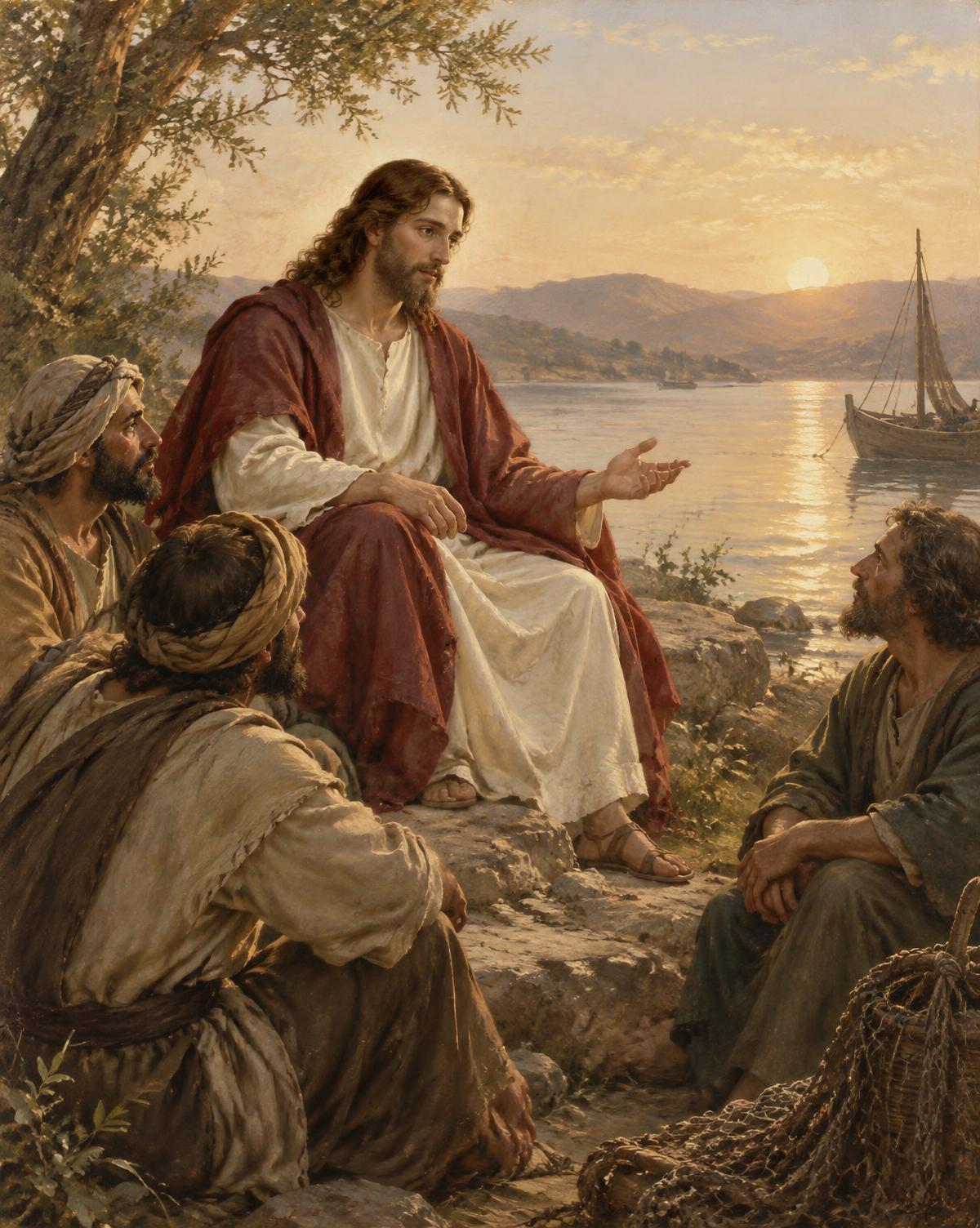
First Reading: Isaiah 25:6-10a
Psalm: Psalm 23:1-3a, 3b-4, 5, 6
Second Reading: Philippians 4:12-14, 19-20
Gospel: Matthew 22:1-14
Reflection: Come to the Wedding Feast
A wedding feast is meant to be a celebration: a table prepared, a joyful gathering, a place made ready for guests. In Matthew 22:1-14, Jesus uses this familiar image to speak of God’s invitation. The king sends servants to call people to the feast, but some refuse and others turn away to their own concerns. Their responses are sobering, yet the story also reveals the breadth of the invitation: the servants are sent out again, and the hall is filled with guests gathered from the roads.
It is easy to hear this parable as a warning directed only at someone else. But Jesus’ story invites each of us to examine what we do when God calls. The refusal need not look dramatic. It may take the form of a good task that gradually occupies every hour, a resentment we are unwilling to release, or a habit of postponing prayer until life becomes less busy. Even worthwhile responsibilities can become excuses when they leave no room for God or neighbor. The question is not whether we have a perfect schedule or an untroubled heart. It is whether we are willing to respond when the invitation reaches us today.
The guests gathered from the roads remind us that God’s welcome is not limited to people who appear prepared or impressive. We come with mixed motives, unfinished work, and the marks of ordinary life. Yet the parable’s final image of a guest without a wedding garment prevents us from treating the invitation as something that changes nothing. We are welcomed, and we are also called to let that welcome shape us. A garment can suggest the visible readiness of a life being formed by the feast: a willingness to turn toward God, to receive mercy, and to practice mercy with others. We do not make ourselves worthy by pretending to be flawless. We answer grace by allowing it to change how we live.
Today’s other readings deepen the image of God’s care. Isaiah 25:6-10a presents the hope of a feast prepared by the Lord, a promise of joy and deliverance. Psalm 23:1-6 gives us the image of a shepherd who guides and provides, even through a dark valley. These readings help us recognize that God’s invitation is not a demand to celebrate alone or to ignore suffering. It comes from the One who sustains us and leads us. The feast is a sign of a relationship in which we are cared for and gathered together.
Philippians 4:12-14, 19-20 speaks of learning contentment in changing circumstances and receiving strength and provision from God. That perspective can help us loosen our grip on the distractions that make us deaf to the invitation. We may not be able to change every pressure in our lives, but we can bring those pressures into prayer. We can ask what one response of trust looks like: making time for someone who is lonely, seeking reconciliation, giving thanks before a meal, or returning to a prayer we have neglected.
The king’s invitation in the Gospel is not merely for a future day. God calls us into communion now, amid the tasks and choices of this Sunday. We can begin by noticing where we have been turning away, then answer in a small, concrete way. Come to the feast; receive what God offers; let gratitude make room in your life for another person. The invitation is generous. Our response can begin today.
In the parable of the wedding banquet, God’s invitation is generous and urgent. The Gospel asks whether we are ready to welcome that invitation with our whole lives.
Prayer for October 11, 2026
Source for the liturgical references: United States Conference of Catholic Bishops.