Faithful in the Waiting: The Steward Who Stays Ready
Jesus calls his disciples to live attentively, not fearfully, remembering that each day brings opportunities to care for what God has entrusted to them. Readiness is practiced in ordinary acts of faithfulness.
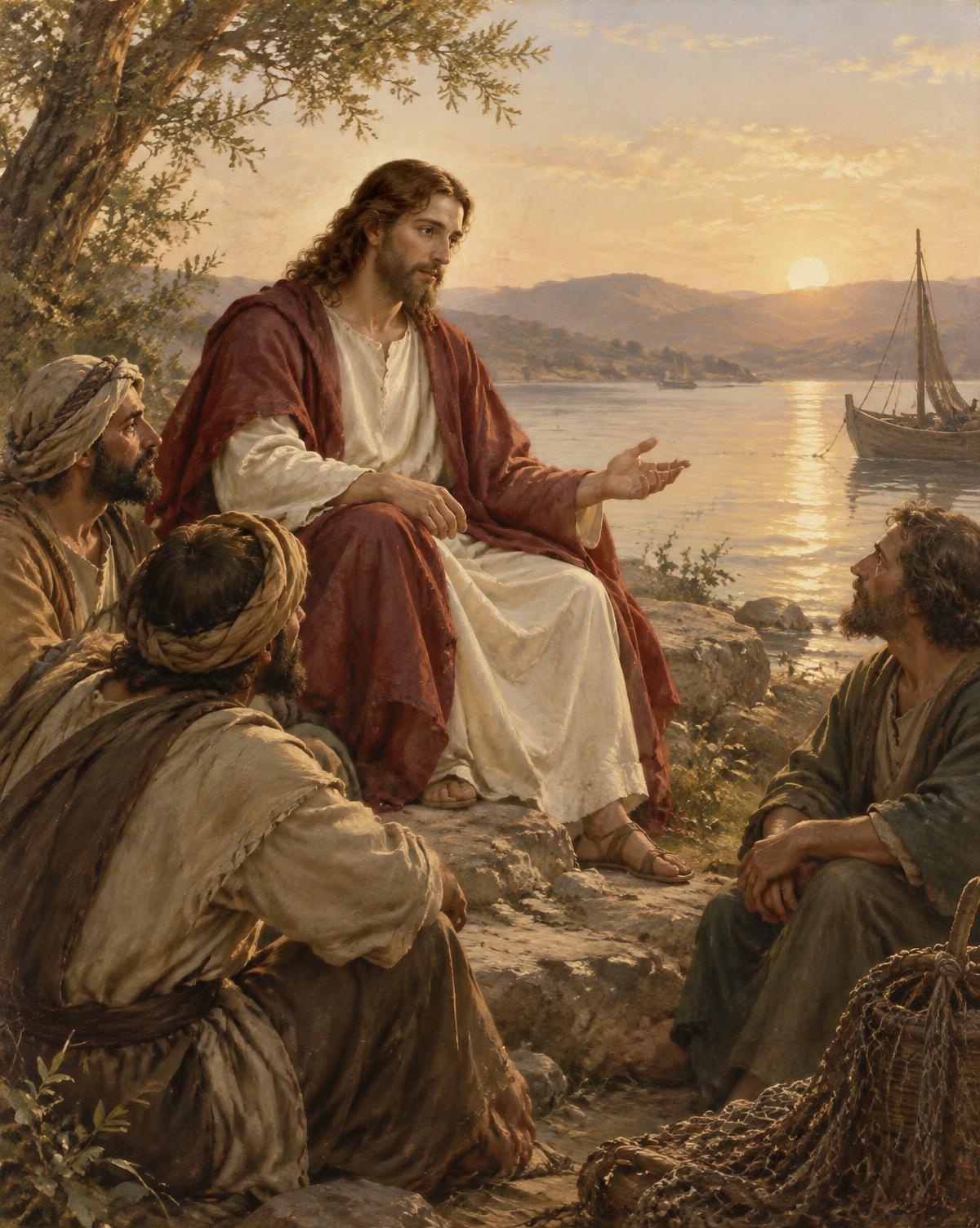
First Reading: Ephesians 3:2-12
Psalm: Isaiah 12:2-3, 4bcd, 5-6
Gospel: Luke 12:39-48
Reflection: Faithful in the Waiting: The Steward Who Stays Ready
In today’s Gospel, Jesus asks his disciples to imagine a household whose master may return at an unexpected hour. The servant who is ready is not merely awake; he is carrying out the work entrusted to him. Jesus turns the image toward his followers, reminding them that a life of faith is lived in the time between promise and fulfillment. We do not know what each day will bring, but we can choose how to meet the people and responsibilities already placed before us.
This teaching can sound severe, especially when Jesus speaks about accountability. Yet readiness need not mean living nervously, searching every moment for signs of danger. It means allowing our choices to reflect what we say we believe. A Christian who is ready to meet the Lord is learning to be honest when a small lie would be easier, patient when someone is slow, and generous when giving costs something. These quiet decisions are not distractions from spiritual life. They are where spiritual life takes shape.
Jesus also distinguishes between servants who know their responsibility and those who do not. Greater knowledge brings greater responsibility—not because God delights in punishment, but because understanding gives us more ways to serve well. We may have received particular gifts, opportunities, or care from others. The question is not whether our circumstances match someone else’s. It is whether we are faithful with what is ours to tend. A parent, a student, a neighbor, a parish volunteer, and a person living with illness may each have a different field of service. Each can offer it to God.
The first reading, from Ephesians, speaks of a grace entrusted to Paul and of God’s purpose being made known. That reminder helps us see responsibility not as a burden we carry alone, but as a response to grace. God gives; we receive; then we are invited to share what we have received. The psalm’s language of drawing water from the wells of salvation offers a fitting image for this rhythm. We return to God for strength, and from that source we go back to the work of loving our neighbor.
A practical way to live this Gospel is to ask, at the start or close of the day: What has been entrusted to me today? The answer may be a conversation we have been avoiding, a task that needs care, a person who needs our attention, or time set aside for prayer. We do not need to solve every problem at once. We can begin with the next faithful action. If we have neglected something, we can acknowledge it, seek forgiveness where needed, and begin again rather than surrendering to discouragement.
The Gospel invites us to remember that our lives belong to God, while also affirming that our daily choices matter. Waiting for the Lord is not passive. It is a way of staying present: doing today’s work with care, receiving today’s people with respect, and asking for help when our strength is thin. We may not control the hour of the master’s return, but we can ask for grace to be found serving when that hour comes.
Today, choose one responsibility and give it your full attention as an offering to God. Let the choice be modest and sincere. In steady acts of love, the heart learns readiness—not as fear of the future, but as trust expressed in the present.
Jesus calls his disciples to live attentively, not fearfully, remembering that each day brings opportunities to care for what God has entrusted to them. Readiness is practiced in ordinary acts of faithfulness.
Prayer for October 21, 2026
Source for the liturgical references: United States Conference of Catholic Bishops.