When the Barns Are Full but the Heart Is Empty
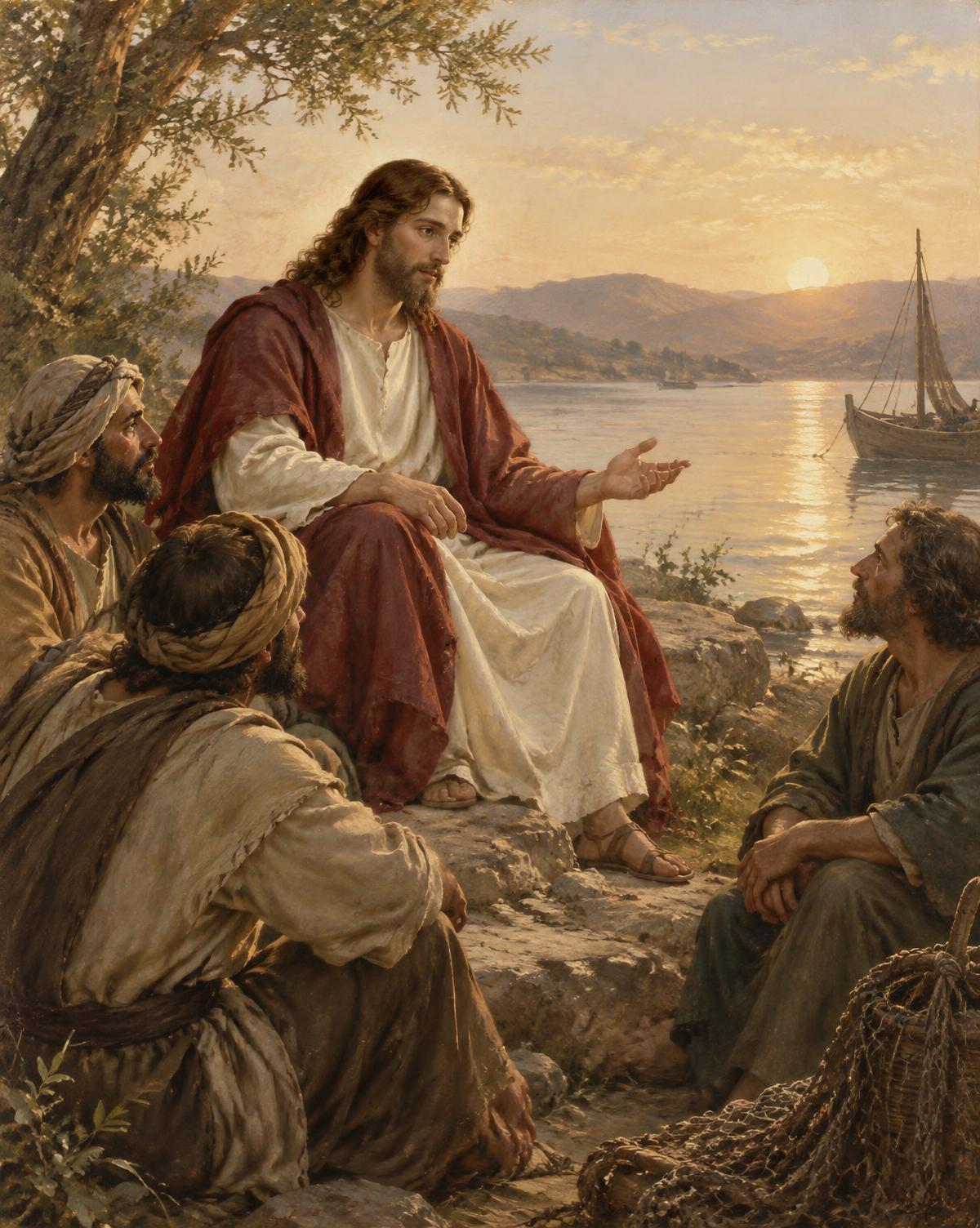
In the parable of the rich fool, Jesus asks us to look beyond what we have gathered and consider what our lives are gathered around. His warning invites us to receive our gifts with gratitude and use them generously.
First Reading: Ephesians 2:1-10
Psalm: Psalm 100:1b-2, 3, 4ab, 4c-5
Gospel: Luke 12:13-21
Reflection: When the Barns Are Full but the Heart Is Empty
The man in Jesus’ parable has a problem many people might envy: his land has produced so much that he has nowhere to store the harvest. He responds by building bigger barns and planning a comfortable future. Yet his plans have room for his grain and his ease, but not for God or for anyone beyond himself. Jesus calls him a fool—not because he worked, planned, or enjoyed the fruit of his labor, but because he mistook abundance for security and treated his life as if it belonged entirely to him.
This Gospel is not a call to neglect our responsibilities or refuse sensible preparation. It is a call to ask what our plans are for. Do our possessions serve the life God has given us, or have we begun to serve them? Do our savings, homes, skills, and time make us more available to others, or do they become reasons to keep postponing generosity? The answers may be found not only in major decisions but in ordinary habits: what we hold back, what we share, and whom we remember when we make plans.
The man speaks only to himself. His repeated “I” leaves no space for gratitude, relationship, or the needs of his neighbor. A different way of living begins when we recognize that what we have is received. The psalm for today calls us to approach God with gladness and thanksgiving. Gratitude does not require us to pretend that every circumstance is easy. It helps us see that our lives are not self-made, and that gifts become more fruitful when they are offered back in love.
Ephesians 2:1–10 also reminds us that life with God begins in grace. We do not earn God’s love by accumulating achievements or possessions. We are made alive by God’s gift, and we are created for good works. That changes the purpose of what we have. Work can become a way to serve; money can meet a need; a home can welcome someone; a little time can become a faithful act of care. Generosity is not a purchase of God’s favor. It is one way we respond to the favor already given.
Today’s commemoration of Saints Jean de Brébeuf and Isaac Jogues and their companions, martyrs, together with Saint Paul of the Cross, turns our attention to lives directed toward Christ. The memorial’s description of Paul as devoted to promoting devotion to Christ’s Passion points us toward a love that does not make comfort the final measure of a good life. Their witness can prompt a quiet question: What am I willing to give for the good of another and for faithfulness to God? We need not imitate every circumstance of their lives to answer that question. We can begin with the person and responsibility already entrusted to us.
Before making another plan for what to acquire or protect, pause and name one gift for which you are grateful. Then ask how that gift might serve someone else today. Perhaps the answer is a practical act, a generous conversation, or a decision to share rather than store. Jesus does not tell us that possessions are worthless; he warns us not to let them define the worth of our lives. To be rich toward God is to live with open hands, trusting that our deepest security is found in the One from whom every good gift comes.
In the parable of the rich fool, Jesus asks us to look beyond what we have gathered and consider what our lives are gathered around. His warning invites us to receive our gifts with gratitude and use them generously.
Prayer for October 19, 2026
Source for the liturgical references: United States Conference of Catholic Bishops.