Known by God, Free from Fear
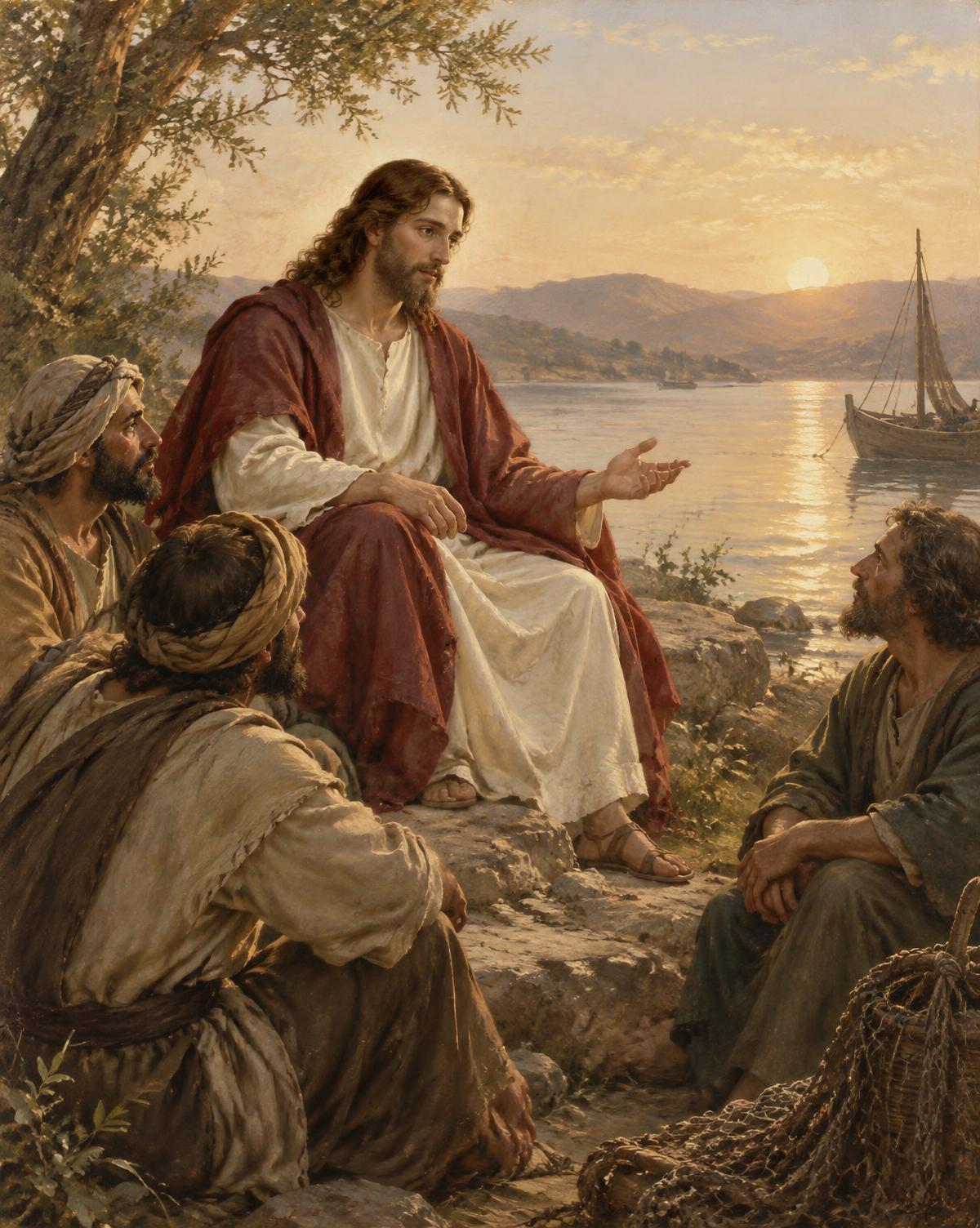
Jesus calls his disciples away from hypocrisy and fear, reminding them that they are never forgotten by the Father. His words invite us to live with honest hearts and quiet courage.
First Reading: Ephesians 1:11-14
Psalm: Psalm 33:1-2, 4-5, 12-13
Gospel: Luke 12:1-7
Reflection: Known by God, Free from Fear
In today’s Gospel, Jesus speaks to his disciples about two things that often shape our choices: the desire to appear righteous and the fear of what others may do. He warns them against hypocrisy, the habit of presenting a polished face while keeping the heart elsewhere. Then he points beyond human judgment to the Father, whose knowledge of each person is complete and whose care does not overlook even the smallest creature.
That care is not a promise that life will be painless or that we will always understand what happens to us. Rather, it gives us a place to stand when fear presses in. People may misunderstand us, criticize us, or fail to notice what we are trying to do. God sees the truth more fully than any human observer, including the parts of ourselves we would rather conceal. We do not need to build our lives around managing appearances when we can bring our real selves to him.
Jesus’ warning about what is hidden being brought to light can sound unsettling. It is also an invitation to freedom. A divided life takes effort: we must keep track of what we have said, what we have concealed, and which version of ourselves we are showing. Honesty with God and with the people entrusted to us can be humbler and more demanding, but it is simpler. We can begin with one small act: admit a mistake without making excuses, speak truthfully in a difficult conversation, or ask for help instead of pretending that everything is fine.
The words about fear also ask us to distinguish between prudence and anxiety. Prudence helps us take reasonable care of our responsibilities and one another. Anxiety can make the approval or threat of other people seem larger than God. Jesus does not tell his followers that danger is imaginary. He reminds them that no danger can make them insignificant to the Father. Even when we cannot control an outcome, we can choose the next faithful step: speak with kindness, refuse to join in a cruel joke, keep a promise, or stand beside someone who is being ignored.
The first reading from Ephesians speaks of belonging to God and being marked with the Holy Spirit. That assurance fits closely with Jesus’ reminder that the Father knows and values his children. Our worth is not something we have to win through performance, nor is it erased by another person’s judgment. The psalm, too, turns our attention toward trust and praise: God’s faithful care gives a reason to hope, even when circumstances remain uncertain.
Today’s remembrance of Saint Hedwig offers a concrete example of virtue expressed through humble service. The supplied account recalls her care for the poor and the sick in regional hospitals. Such care does not seek to make the caregiver impressive; it meets a neighbor’s real need. We can imitate that spirit in the ordinary places of our own lives—with a patient visit, a practical offer of help, or attention to someone whose suffering is easy to overlook.
Before the day ends, we might ask: Where am I tempted to hide behind an image? Whose opinion am I allowing to govern me? Then, without harshness toward ourselves, we can bring those questions to prayer. The Father who sees us completely also values us completely. Held in that knowledge, we can live more truthfully, serve more freely, and meet tomorrow with courage.
Jesus calls his disciples away from hypocrisy and fear, reminding them that they are never forgotten by the Father. His words invite us to live with honest hearts and quiet courage.
Prayer for October 16, 2026
Source for the liturgical references: United States Conference of Catholic Bishops.